

Most modern businesses consider sustainability a concern or at least a consideration. Recycling scrap metal is a way to cut waste and save precious resources, and it’s an impactful way to support sustainability initiatives.
The process involves using discarded metals to create other functional materials. This not only minimizes harm to the environment but also helps foster innovation and economic development.
Key Takeaways
- Modern companies are taking sustainability more seriously, and scrap metal recycling plays an important role in minimizing waste and conserving resources.
- Scrap metal recycling transforms waste scrap metal, such as old appliances, automobiles, and building materials, into functional goods. This mitigates their environmental impacts and boosts economic activity.
- Scrap metal is divided into ferrous (iron) and non-ferrous metals. Modern sorting methods optimize the value of recycled waste.
- Most metals can be repeatedly recycled without diminishing quality, providing an endless cycle of reuse that saves raw materials and minimizes environmental impact.
- Recycling scrap metal boosts local economies, creates jobs, lowers the cost of material for manufacturers, and gives consumers the ability to make money by selling scrap.
Scrap Metal Recycling 101
But what exactly is scrap metal recycling, and why does it matter to the modern economy? Let’s follow the process and the broader consequences for the planet and industry.
The Process Begins: Gathering the Metal
The scrap metal process begins by gathering scrap from objects like old appliances, vehicles, construction, and industrial materials. These items are no longer useful in their original form but are still valuable because of the metal they were made of.
Instead of being dropped into landfills—where they will take up space and lead to further environmental damage—they are collected and sent to recycling plants, where their value is extracted.
Scrap metal recycling can take place on a commercial or domestic level.
Individuals can salvage metal from broken-down appliances, furniture, and even electronics. Those materials, otherwise destined to become trash, have useful metals such as aluminum, copper, and steel that could be repurposed.
Refrigerators, washing machines, stoves, and air conditioners are all part of the scrap metal stream, and people can not only dispose of them correctly but also make money from selling the scrap.
Many businesses produce lots of scrap metal daily, particularly in manufacturing and construction. In construction zones, for instance, all kinds of metal scraps can be left over: steel studs, aluminum girders, copper wiring, and plumbing fittings.
Even if no longer usable, these metal bits and pieces remain recyclable. The auto repair and demolition industries routinely scrap vehicles, leaving them with useful parts like engines, metal parts, and paint panels. These scraps can be recycled to minimize waste, cut costs, and keep valuable metals available.
Whether it’s junk or waste, recycling starts with acknowledging that many items aren’t necessarily disposable. They can return to the economy as helpful resources given the appropriate processing.
Revealing the Real Value: Sorting

Separating the metals is what extracts the maximum value of the recycled content.
There are two basic types of scrap metals: ferrous metals (aluminum, copper, brass) and non-ferrous metals (non-iron) (steel).
Non-ferrous metals are more valuable thanks to their superior characteristics and versatility in industrial applications.
Sorting isn’t mere sorting—it’s a technical process that requires advanced technologies. Magnetic separators draw out these ferrous metals, and other non-ferrous metals can be separated using optical sensors or manual sorting techniques.
This will ensure all metals are recycled as efficiently and effectively as possible so recyclers can extract the most value.
Ready for Change: Shredding
Shredding is the next recycling step after sorting. It reduces the metal to smaller chunks, an important part of making recycling more efficient.
The smaller the metal chunks, the quicker and easier they are to break down later. Shredding also adds surface area to the metal, which helps melt the metal faster and reduces the energy needed to turn scrap into useful stuff.
Shredding might be seen as destructive, but the process renews the metal. The micronized parts produced here are more digestible, preparing for the next step in the recycling process.
Melting: From Metal to Molten Form
Metal comes from scrap metal, which can only change during melting. After shredding, the metal goes into high-temperature furnaces, melting to a liquid state.
Each metal type is melted differently and must be worked on to produce efficient, high-quality pieces.
When it boils away, the metal can be sanitized and reprocessed. Melting purges it and prepares the substance for a second life, whether as an electric motor, an electronics circuit, or a joist.
The purity of the melted metal is vital to ensuring the recycled material works just as well as the new metal.
Purification: Quality and Usability
After the melted metal is boiled, it is purified to ensure the highest quality standards. This is an important step, as even minute contaminants can impact the operation of the recycled metal.
Purifying metal takes electrolysis, chemical treatment, and more. These processes eliminate contaminants that could have been introduced in collecting or sorting.
Because recyclers return the metal to its purity, it can be recycled in manufacturing at the same level of reliability and purity as new metal.
Also, that makes recycled metal a desirable resource for those manufacturers looking to save money without sacrificing quality.
Conformation: New Products

Once the molten metal is filtered, it is cast into new shapes in the molds. It is cut into crude forms, such as ingots, bars, or sheets, and then processed into various products.
These primitive shapes are transformed into the raw material for production and end up in every item, from cars and computers to washing machines and building materials.
The processing of formation is the final step in metal recycling. This scum that was once deemed waste is now a fully usable resource, available to be returned to the economy and given new life.
The Endless Cycle of Recycling Scrap Metals
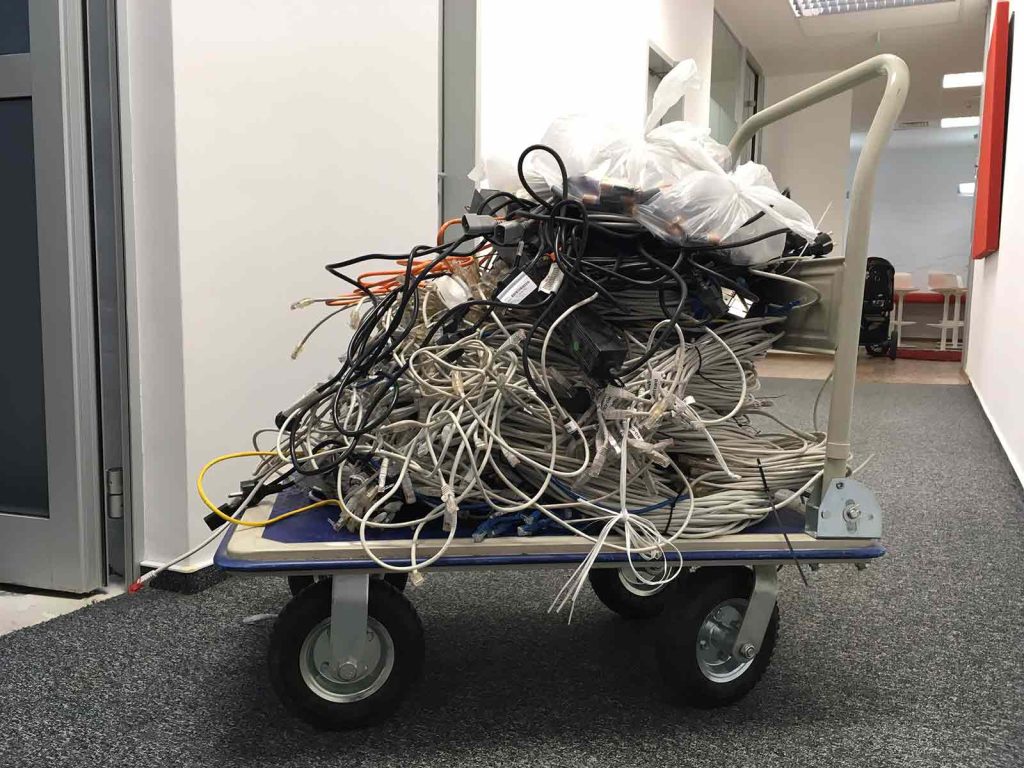
The beauty of recycling metals is that you can recycle almost all of them forever. Unlike other materials, metal isn’t degraded or weakened in recycling.
This generates a loop in which metals are repeatedly used, recycled, and reused, significantly minimizing raw material consumption and conserving natural resources.
Every time we recycle scrap metal, we are also becoming more sustainable.
Metal recycling also avoids mining, saves energy, and reduces pollution. It has a huge ecological impact—metal is recycled using far less energy than is necessary to make new metal from raw material.
For instance, recycling aluminum saves up to 95% of the energy consumed to manufacture new aluminum from bauxite. This energy savings results in less carbon emissions and a smaller footprint.
Environmental and Economic Benefits
Scrap metal recycling has environmental and economic advantages. The financial benefits of recycling go directly to local businesses and employment.
The recycling industry has thousands of employees in collections, sorting, processing, and manufacturing. Companies that buy recycled metal save on material costs because recycled metal tends to be cheaper than new metal.
Even consumers can benefit from selling scrap metal, which becomes a source of income. The manufacturers using reclaimed metals, in turn, save money and contribute to a cleaner economy.
Miners’ carbon footprints are another great feature of scrap metal recycling. Mining destroys landscapes, deforests, depletes ecosystems, and pollutes the environment. Recycling metal eliminates mining and avoids the pollution wrought by extraction.
The Future of Scrap Metal Recycling

As much progress has been made in scrap metal recycling, technology is still improving, which means the process will become even more efficient.
Innovative technology accelerates recycling and enables recyclers to sort more challenging wastes and use less energy.
This means more and more things can be created using reclaimed metal, reducing the demand for new raw materials and bringing us closer to a circular economy.
Bottom Line: Scrap Metal Recycling
Scrap metal recycling isn’t merely an effective disposal practice but a key component of a sustainable economy. It turns scrap into materials, helps protect our environment, and generates employment.
The more sustainable we become, the more important recycling becomes in reducing waste, saving energy, and feeding industries.
Scrap metal recycling is a story of revival, reformation, and unending possibility.
If you want to learn more about scrap metal recycling or are eager to recycle scrap in Florida, contact Scrap Gators. As the scrap metal recycling experts in Fort Pierce, FL., we work with businesses and individuals to help them maximize their return on scrap metal.
We are also passionate about discussing sustainability and emphasizing the role of recycling in this.


