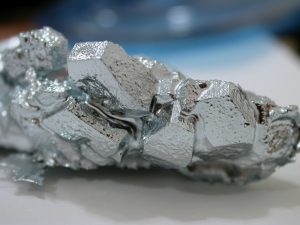
Jet engines glow red-hot, with turbines reaching temperatures as high as 4,100° F in flight, but all of these components hold strong throughout. The secret to this strength? Superalloys! These extraordinary metal alloys are designed to endure extreme heat and stress.
Now imagine giving these high-performance metals a second life instead of discarding them. Recycling superalloys from aerospace parts is entirely feasible. In fact, it’s becoming an industry priority to save costs, conserve scarce materials, and reduce waste.
Using Superalloys in Aerospace

Superalloys are a class of metals engineered for exceptional strength and stability under punishing conditions.
As one aerospace company explains, the term superalloy “was first used just after the end of World War II, when aircraft turbine engines were in their first generation of development, and a select group of high-performance alloys proved suitable for use in the extremely high temperatures produced by these engines.”
Since then, they have become indispensable in modern aviation.
Most aerospace superalloys are nickel-based (with nickel as the main element), enriched with elements like chromium, cobalt, aluminum, and titanium to improve performance.
These combinations allow jet engine parts (from turbine blades to discs) to withstand blistering temperatures and high pressures without losing integrity.
Some advanced engine alloys even include rare metals such as rhenium or hafnium to push the performance envelope further.
Superalloys are found in the hottest, most demanding sections of aircraft engines (and also in other aerospace components requiring high heat resistance).
For example, the turbine blades in a jet engine’s hot section operate in extreme heat and rely on nickel-based superalloys so they don’t soften or corrode.
This makes superalloys incredibly valuable for their role in engines as well as for the costly raw materials they contain.
Metals like nickel, cobalt, and tantalum are expensive to mine and refine. That high value, combined with the limited global supply of some alloying elements, means there is a strong incentive to reclaim and reuse superalloy materials whenever possible.
Why Recycling Superalloys Matters

Aerospace manufacturers face a major challenge: the supply of high-grade metals is finite, yet demand continues to rise for new aircraft and engine parts. Today, recycling superalloys is a strategic necessity for both economic and environmental reasons.
From an economic perspective, recycling these alloys can dramatically cut costs.
Producing certain aerospace metals from scratch is very expensive and energy-intensive. For instance, producing new titanium (a metal often used alongside superalloys) via the Kroll process requires vast amounts of energy and resources.
However, recycling scrap titanium and superalloy materials can save up to 95% of that energy usage.
Lower energy use directly translates to lower production costs. In turn, manufacturers maintain margins and buffer against volatile raw material prices.
Recycled material also becomes a revenue source: what was once scrap can be processed and sold or reused, rather than paid for as waste.
Equally important are the environmental benefits.
Every pound of superalloy recycled is one less pound that needs to be mined and refined from raw ore. Mining nickel, cobalt, and other elements involves intensive operations that can lead to habitat destruction, pollution, and high carbon emissions.
Recycling avoids those impacts and considerably cuts greenhouse gas emissions by using far less energy than primary metal production.
It also means fewer materials end up in landfills, since retired superalloy parts are reclaimed rather than discarded.
The aerospace industry can achieve substantial environmental benefits by prioritizing recycling. Doing so cuts its environmental footprint and aligns with tightening environmental regulations and sustainability goals.
Innovative Recycling Methods for Superalloys in Aerospace

Recycling superalloys isn’t as simple as melting down ordinary scrap metal. These high-tech materials require specialized processes to recover them while preserving quality.
Today, most superalloy recycling uses pyrometallurgical techniques—a fancy way to say the scrap is carefully remelted.
Specialized facilities will sort superalloy scrap by alloy type and then melt it in a furnace (often an electric arc furnace) under controlled conditions. To achieve aerospace-grade purity, the molten metal is often vacuum-refined or remelted again in a vacuum furnace.
This process can yield ingots that are largely free of oxidation or impurities. In fact, studies show vacuum remelting can recover a substantial portion of the metal in usable form.
However, conventional melting isn’t perfect: some alloying elements can burn off or end up in slag during high-temperature processing.
That’s why recyclers continuously refine their techniques, adjusting furnace environments and using fluxes or other methods to capture as much of the valuable elements as possible.
Researchers are also exploring chemical extraction methods (hydrometallurgy) to recover metals such as nickel and rhenium from superalloy scrap with lower energy use, as well as hybrid processes that combine melting and leaching to maximize recovery.
Another area of innovation is in additive manufacturing (3D printing). Some companies have been able to convert scrap superalloys into high-quality metal powder for 3D printing new aerospace components.
They use a plasma furnace to remelt the scrap and then atomize it into fine powder, producing material that meets or exceeds the purity of traditional virgin powder. This approach extends the life of superalloy materials while significantly lowering the carbon footprint of producing aerospace-grade powders.
Advances like these illustrate the exciting potential of modern technology.
Recycling superalloys is no longer limited to old methods. Today, it involves advanced processes that create like-new materials from scrap.
Best Practices and Challenges in Superalloy Recycling
While technology is advancing, recycling superalloys still comes with challenges and requires best practices at every step.
One major challenge is maintaining purity.
Aerospace alloys have extremely tight composition tolerances; even trace contaminants can make a recycled metal batch unusable for flight.
For instance, oxygen or iron contamination in recycled titanium or nickel alloys can weaken the final product. That means scrap has to be handled with the utmost care so it doesn’t pick up impurities.
Achieving aerospace-grade purity often requires advanced remelting processes, such as vacuum arc or electron-beam melting.
These techniques can be costly and energy-intensive. That said, as raw material prices rise and sustainability pressures grow, such investment pays off in the long run.
Another best practice entails the precise sorting and segregation of scrap.
An aircraft engine or spacecraft contains many different alloys mixed together. If a high-grade superalloy gets mixed with lower-grade metal scrap, its value and reusability drop dramatically.
For this reason, recycling experts use sophisticated identification tools (such as X-ray fluorescence analyzers and spectrometers) to identify each scrap piece and separate alloys by type.
In fact, when jet engines are decommissioned, technicians meticulously disassemble them, tag each superalloy component (blades, disks, etc.), and clean off any coatings or residues before recycling.
This thorough preparation ensures that “clean” high-value superalloy scrap enters the recycling stream, which in turn yields high-quality recycled material.
Proper segregation also prevents valuable metals from being down-cycled; for example, heavily contaminated superalloy scrap might be usable only for making lower-grade products like steel additives, rather than new aerospace alloys.
Safety and compliance also need to be a priority.
Aerospace scrap often must be destroyed or processed under strict regulations to prevent sensitive parts from being reused improperly.
Recyclers follow guidelines such as the FAA’s rules for scrapping aircraft parts (FAA AC 21-43A Appendix D) to document and verify that parts are properly mutilated and not reintroduced into aircraft.
A certified recycling process gives aerospace companies peace of mind that their retired components won’t pose any safety or legal risks.
As always, environmentally responsible handling is also a must.
Old engine parts can contain hazardous materials (such as certain coatings or alloys containing toxic elements), so recyclers must safely remove or neutralize them during processing to protect workers and the environment.
Advanced facilities today can recover an impressive percentage of metal from superalloy scrap.
Why Choose Scrap Gators?

For aerospace companies looking to recycle their high-performance metal scrap, Scrap Gators is a trusted partner. We specialize in handling aerospace-grade scrap metal (including superalloys) and understand the unique requirements of this industry.
Our team adheres to strict safety protocols and focuses on maximum metal recovery. We provide tailored solutions that turn your superalloy scrap into value.
At Scrap Gators, we follow industry best practices every step of the way.
That means carefully sorting and identifying your scrap (using advanced tools to distinguish Inconel from Hastelloy, titanium from steel, and so on). Next, it involves processing it with methods that preserve metal quality.
We ensure complete, certified destruction of sensitive aerospace components in compliance with FAA regulations.
In fact, our processes adhere to FAA AC 21-43A Appendix D guidelines. We also provide a Certificate of Destruction to document that all materials were properly mutilated and recycled. This gives our clients full confidence that their retired parts won’t resurface where they shouldn’t, and that every step was done by the book.
Beyond compliance, Scrap Gators is committed to maximizing the value you get from your superalloy scrap. We strive to recover as much metal as possible. This way, you receive greater returns on materials that would otherwise be wasted, all while contributing to your sustainability goals.
With the right partner, such as Scrap Gators, companies can safely handle superalloy recycling and enjoy the economic and environmental benefits.
From jet engine turbine blades to structural titanium alloys, we help ensure these materials find new life in future projects! It’s how we’re working toward closing the loop for a more sustainable aerospace industry.
Contact Scrap Gators to learn how we can assist with your aerospace recycling needs and join the movement toward greener, cost-efficient metal use in aviation.