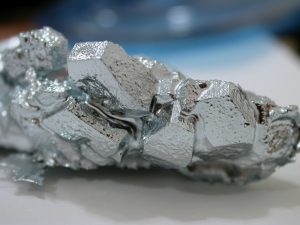
Turbine blades are an unsung hero in the scrap metal world. Engineers create these valuable materials from advanced single-crystal superalloys, ensuring a single continuous grain structure without grain boundaries.
These components, designed to withstand harsh temperatures, are vital for power generating and aeronautical applications.
Even the most robust blades will degrade over time, making recycling a viable and sustainable solution. Recycling lowers waste, promotes environmental goals, and helps create a circular economy by reusing high-value resources.
The Engineering of Turbine Blades

Turbine blades are incredible engineering works, built to survive some of the most extreme circumstances possible.
These blades must preserve structural integrity while offering top performance under high pressure and temperatures reaching 2,000°C.
Due to their unique mix of mechanical strength, heat resistance, and longevity, turbine blades are invaluable for contemporary energy generation and aviation.
Their design and composition have paved the way for efficient and sustainable energy solutions worldwide.
High-Performance Alloys
Certain alloys are particularly useful because they have an outstanding ability to tolerate high temperatures while also resisting corrosion.
Some of these popular alloys include:
- GTD
- MarM
- Rene
- Hastelloy
- Inconel

These alloys frequently contain metals such as nickel, cobalt, and titanium, which improve their thermal and mechanical qualities. These materials are particularly valuable, emphasizing the value of recycling.
Reusing these alloys reduces reliance on mining and raw material manufacturing.
Precision Manufacturing
The turbine blade manufacturing process uses cutting-edge technology that promotes precision and efficiency.
Additive manufacturing, often known as 3D printing, has revolutionized the creation of these components. This technology allows for fabricating intricate shapes that would be hard to produce with regular manufacturing.
Including complex cooling channels directly into the blade design improves performance while reducing material waste, making these approaches an essential component of current blade fabrication.
Innovative Cooling Systems
Turbine blades require specialized cooling systems to preserve structural integrity and efficiency at high temperatures.
One of the most often used ways is film cooling, which involves producing a thin layer of cooled air to insulate the blade surface from the surrounding heat.
This breakthrough enables turbines to run at greater temperatures, boosting power production and efficiency. Such innovations increase the life of turbine blades and substantially lessen the environmental consequences of energy generation.
Importance of Recycling Turbine Blades
Recycling turbine blades is more than just an environmentally benign endeavor; it is an essential component of sustainable industrial operations.
As enterprises are under growing pressure to cut waste and save resources, turbine blade recycling addresses economic and environmental concerns.
Environmental Benefits:
Recycling turbine blades lowers the need to mine and process raw materials, which are energy-intensive and environmentally destructive.
Metal mining and processing, such as nickel and cobalt, require massive energy and emit substantial greenhouse gas emissions.
Recycling counteracts these effects by reusing existing materials, preserving natural resources, and reducing pollution. This is consistent with global sustainability goals and helps businesses comply with environmental rules.
Economic Advantages:
The economic advantages of recycling turbine blades are considerable.
The superalloys used in these blades are expensive to manufacture, so recovering the materials through recycling can result in considerable savings.
Reclaimed metals may be used back into manufacturing processes, eliminating the requirement for new materials and cutting total production costs.
Recycling provides a solution for organizations with large fleets of turbines or jet engines to optimize resource allocation and increase profitability.
Turbine Blades’ Role in the Circular Economy
A circular economy focuses on the ongoing use and reuse of resources, decreasing waste and extending material life cycles.
Recycling turbine blades exhibits this principle by converting spent turbine blades into raw materials for fresh manufacture.
This technique decreases landfill waste while also promoting the sustainable development of industrial and aeronautical equipment, illustrating the benefits of a circular economy in resource-intensive industries.
Recycling Process: From Scrap to Reuse
Recycling turbine blades is a laborious procedure that necessitates knowledge and specific equipment. Each phase is designed to enhance material recovery while maintaining the quality of recovered alloys.
Inspection and Sorting

Recycling begins with a detailed examination of the turbine blades’ composition and condition. Each blade is examined for alloy composition and then categorized accordingly.
This stage separates materials into groups to facilitate processing, reduce contamination, and maximize recovery rates. Accurate sorting is critical to preserving recovered metals’ integrity and viability for reuse.
Material Recovery
The blades are treated to remove precious metals after sorting. Nickel, cobalt, and titanium are recovered via crushing, melting, and chemical separation.
This technology drives efficiency in these activities, minimizes waste, and maximizes the collection of valuable material. The recovered metals undergo processing to meet the requirements for new production.
Repurposing and Reintroduction
The last recycling stage involves returning recovered materials to industrial and aerospace production. Manufacturers use these metals to fabricate new turbine blades, jet engine components, and other high-performance equipment.
The ability to reuse these materials while retaining their quality highlights the recycling process’s effectiveness and significance in sustainable production.
Applications for Recycled Turbine Blade Materials
The metals recovered from turbine blades are versatile and profitable, with applications covering a whole host of industries.
Power Generation
Recycled materials are frequently utilized to manufacture new turbine blades for energy generation. These alloys’ durability and heat resistance make them suited to industrial turbines that operate in extreme environments.
These materials improve efficiency and endurance in numerous power production system components, including blades.
Aerospace and Defense

The aerospace sector benefits substantially from the recycling of turbine blades. High-performance alloys recovered from jet engines are recycled for new aircraft components such as engines and structural sections.
These materials are frequently employed in defense applications, where toughness and resilience are essential. Recycling enables the development of innovative technologies without the need for new raw materials.
Industrial Equipment
Beyond aerospace and power generation, discarded turbine blade materials are utilized to manufacture industrial machines.
Their capacity to tolerate harsh temperatures makes them excellent for various applications, including chemical processing equipment and automobile components.
This adaptability demonstrates the far-reaching benefits of turbine blade recycling.
Challenges and Innovations in Turbine Blade Recycling.
Recycling turbine blades is a difficult process that requires ongoing innovation to overcome the accompanying problems.
Complex Material Composition
The sophisticated alloys used in turbine blades present both an advantage and a problem for recycling. Thanks to their complicated compositions, individual pieces must be separated and recovered using specific approaches.
Developing more effective processing processes is critical for addressing this complexity and ensuring the profitability of recycling systems.
Global Logistics
Transporting spent turbine blades to recycling facilities presents logistical issues, especially for enterprises operating in distant areas.
The blades’ size and weight increase transportation costs, stressing the necessity for regional recycling options. Establishing regional facilities can help solve these issues and minimize the carbon impact of transportation.
Market Fluctuations
The economic viability of recycling initiatives depends on market demand for recycled materials. Prices for nickel, cobalt, and other metals can fluctuate, affecting their viability.
Market stability and industry alliances can help reduce these problems and promote sustainable practices.
Contributing to a Sustainable Future
Turbine blade recycling is critical to achieving a more sustainable future. Recycling initiatives aid businesses by lowering costs, assuring compliance with environmental rules, and advancing global sustainability goals.
Scrap Gators streamlines the recycling process, empowering businesses to reclaim valuable resources with minimum operational disturbance.
Recycling turbine blades promotes economic growth while protecting the environment. The resources recycled in this process are critical to modern industry, proving sustainability and profitability can coexist.
The Role of Scrap Gators in Turbine Blade Recycling
Scrap Gators offers a reliable alternative for those hoping to recycle turbine blades and other specialist components.
With expertise in specialized metal recycling and fabrication, we have earned a reputation for handling complicated materials with accuracy and care.
Our capabilities go beyond turbine blades to include other metals such as steel, titanium, nickel, cobalt, tungsten, and carbide.
Scrap Gators collaborates with industry experts in aerospace, industrial gas, and machining to treat materials effectively and responsibly.
Contact us today!